


That crisp zip when you tear open a bag of chips? It’s more than just your stomach cheering—it’s the sound of packaging winning another round against time. We grumble when bread molds too soon, but rarely give credit to the humble bag, box, or bottle working 24/7 to keep our food tasting like it just left the kitchen. Let’s peel back the layers—literally—and see how packaging pulls off its freshness magic.
1. Blocking Air & Moisture: Food’s Invisible Armor
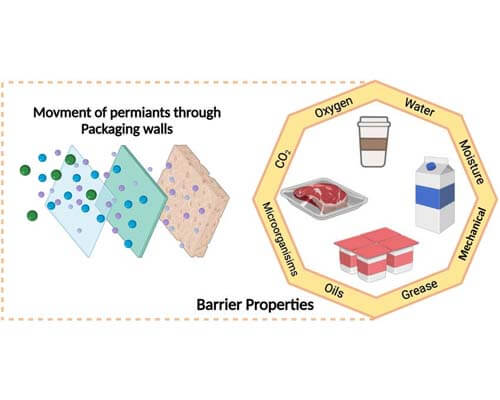
Oxygen and water vapor are freshness’s arch-nemeses. Oxygen makes oils go rancid (hello, stale potato chips), while moisture throws an open invitation to mold and bacteria.
-
The shiny metallic lining inside your chip bag? That’s a two-in-one bodyguard—keeping humidity out and locking flavor in.
-
Hear that pop when you open a can of baby formula? It’s not just satisfying—it’s the vacuum seal giving way, proof it’s been airtight since the factory.
2. Light Lockout: Food’s Sunglasses
Light—especially UV rays—can bleach colors, drain vitamins, and ruin delicate flavors.
-
Brown beer bottles aren’t just a style choice—they filter out around 90% of harmful light.
-
Even those peekaboo windows on milk cartons use light-blocking films, because nutrition is worth protecting from the spotlight.
3. Vacuum & Gas Magic: Breathing “Survival Air”
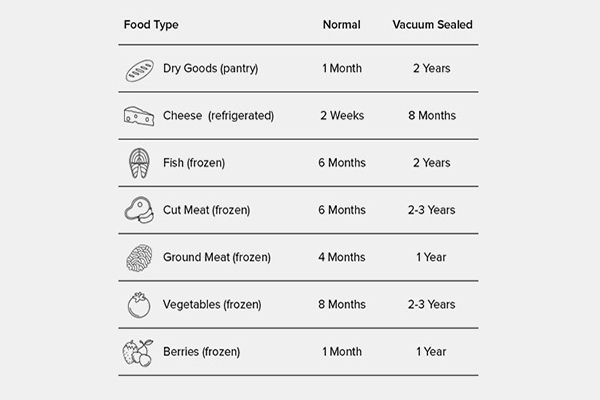
Vacuum sealing is the classic move. But now we have Modified Atmosphere Packaging (MAP)—where the air inside is swapped for a carefully balanced gas mix.
-
That cling film over supermarket meat trays? It’s holding a cocktail of oxygen, CO₂, and nitrogen. CO₂ slows bacteria, while just enough O₂ keeps the meat looking fresh and red.
-
Those “do not eat” packets in nut bags? They’re oxygen scavengers, not silica gel. Their job is to gobble up every trace of O₂ so nuts stay crunchy for months.
4. Seal & Shield: Building Bacteria’s Fortress of Solitude
Sometimes, the smallest design details are the most powerful.
-
Peel back a jelly cup and hear that snap? That’s a sign the heat seal did its job—locking air out until the very last moment.
-
The ridged ring under a soda cap? It’s a one-time-use barrier that breaks when you twist, guaranteeing no air sneaked in beforehand。
5. Chill + Package: The Cold Chain Bodyguards
Temperature control is a packaging ally, not a replacement.
-
Yogurt cups are made with PS plastic that stays flexible in cold—because brittle packaging shattering in the fridge is nobody’s idea of fresh.
-
Ice cream delivery bags often use foil linings that bounce cold air back in, creating a microclimate that keeps pints frozen and perfect.
Wrap-Up: Packaging Is Food’s Time Machine
Next time you rip into something delicious, give a nod to the engineering wizardry wrapped around it. From light-blocking films to gas-filled cushions, pressure-proof seals to cold-loving materials—packaging isn’t just a container. It’s the silent partner making sure every bite tastes like it should. In the battle for freshness, it’s always on the front line.
Post time: Aug-10-2025